

Start Date/Time: Monday, February 2, 2026 12:00 am
End Date/Time: Friday, June 12, 2026 12:00 am
This Course started in the past and is ongoing.

A website design bootcamp is an intensive and immersive training program focused on teaching participants the skills and techniques needed to create effective and visually appealing websites. These bootcamps typically cover a range of topics related to web design, including HTML, CSS, JavaScript, responsive design, user experience (UX) design, and graphic design principles. Here’s what you might expect from a website design bootcamp:
1. **Fundamentals of Web Design**: You’ll learn the basics of web design, including understanding the structure of a website, the role of HTML (Hypertext Markup Language) in creating web pages, and CSS (Cascading Style Sheets) for styling and layout.
2. **Responsive Design**: With the increasing use of mobile devices, responsive design has become essential. You’ll learn how to create websites that adapt and display correctly on various screen sizes and devices, from desktop computers to smartphones and tablets.
3. **User Experience (UX) Design**: UX design focuses on creating websites that are intuitive, easy to navigate, and user-friendly. You’ll learn about user research, information architecture, wireframing, prototyping, and usability testing to ensure a positive user experience.
4. **Graphic Design Principles**: Good design is essential for creating visually appealing websites. You’ll learn about color theory, typography, layout, imagery, and other graphic design principles to create attractive and cohesive designs.
5. **JavaScript and Interactivity**: JavaScript is a programming language used to add interactivity and dynamic features to websites. You’ll learn the basics of JavaScript programming, including DOM manipulation, event handling, and using libraries and frameworks like jQuery.
6. **Tools and Software**: You’ll become familiar with popular tools and software used in web design, such as text editors (e.g., Sublime Text, Visual Studio Code), design software (e.g., Adobe Photoshop, Sketch), version control systems (e.g., Git), and web development frameworks (e.g., Bootstrap).
7. **Portfolio Development**: Throughout the bootcamp, you’ll work on various projects to apply the skills and techniques you’ve learned. These projects will help you build a professional portfolio showcasing your work to potential employers or clients.
8. **Industry Insights and Best Practices**: You’ll gain insights into industry trends, best practices, and emerging technologies in web design. Guest speakers, workshops, and networking opportunities may be included to provide valuable insights into the field.
9. **Career Support**: Some bootcamps offer career services and support to help participants transition into careers in web design. This may include resume and portfolio reviews, job search assistance, interview preparation, and networking opportunities with industry professionals.
10. **Continued Learning**: Web design is a constantly evolving field, so ongoing learning is essential. Many bootcamps provide resources and recommendations for further learning, such as online courses, workshops, and conferences, to help you continue to develop your skills after completing the program.
Before enrolling in a website design bootcamp, research different programs to find one that aligns with your goals, schedule, and budget. Consider factors such as curriculum, instructor qualifications, student reviews, job placement rates, and alumni outcomes. A website design bootcamp can be a valuable investment in your education and career development, providing you with the skills and knowledge needed to succeed in the dynamic field of web design.


From City of Ottawa Recreation website. You are encouraged to reserve a space for drop-in programs online in advance. In-person walk-in reservations will be accepted when space allows.
» » » »

Tanghulu is a traditional Chinese snack made from candied fruits, typically hawthorn berries (shan zha), but also commonly made with other fruits like strawberries, grapes, or oranges. Here’s
» » » »


Mountain hiking, also known as mountain trekking or mountaineering, is an exhilarating outdoor activity that involves trekking through mountainous terrain. Whether you’re a seasoned hiker or a beginner,
» » » »


From Wikipedia, the free encyclopedia Yoga (/ˈjoʊɡə/ ⓘ;[1] Sanskrit: योग, lit. ’yoke’ or ‘union’ pronounced [joːɡɐ]) is a group of physical, mental, and spiritual practices or disciplines which originated
» » » »

From ODBA website. News Oct 27-29, 2023 – Chris Dorey brought back 4 medals from … the Vancouver MastersOct 27-29, 2023 – Reath Roth, Ying Jian & Aayus
» » » »


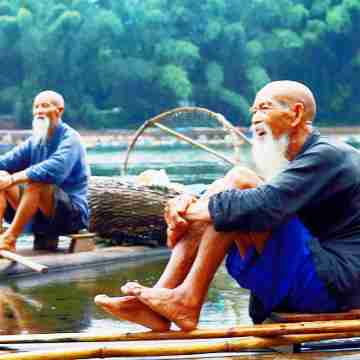
The museum,test covering Chinese history from the Yuanmou Man of 1.7 million years ago to the end of the Qing Dynasty (the last imperial dynasty in Chinese history), has a permanent collection of
» » » »
A tour of a Chinese museum can be a fascinating and enriching experience, offering insights into China’s rich cultural heritage, history, art, and traditions. A tour of a
» » » »







Preparing for a marathon requires a well-structured training plan that gradually builds your endurance, strength, and speed over several months. Here’s a sample marathon training plan that you
» » » »



Comment
Comment Message Box Error
Please do not use newline break key!
be the first one to write a comment.