

Start Date/Time: Thursday, November 14, 2019 12:00 am
End Date/Time: Thursday, January 9, 2020 12:00 am
This Course has ended.

Joining a Java bootcamp is a fantastic way to kickstart your journey into Java programming or to deepen your existing knowledge and skills. These bootcamps are often intensive, immersive programs designed to provide hands-on experience and practical skills in a relatively short period. Here’s what you might expect from a typical Java bootcamp. Java bootcamps are intensive programs designed to teach participants the fundamentals of Java programming language and related technologies within a relatively short timeframe. These bootcamps are popular among individuals looking to kickstart a career in software development or enhance their existing programming skills.
Before enrolling in a Java bootcamp, research different programs, read reviews, and consider factors such as curriculum, instructors’ qualifications, class size, duration, cost, job placement rates, and alumni outcomes. Choose a bootcamp that aligns with your learning goals, schedule, and budget, and be prepared to dedicate time and effort to make the most of the learning experience.


From City of Ottawa Recreation website. You are encouraged to reserve a space for drop-in programs online in advance. In-person walk-in reservations will be accepted when space allows.
» » » »

Tanghulu is a traditional Chinese snack made from candied fruits, typically hawthorn berries (shan zha), but also commonly made with other fruits like strawberries, grapes, or oranges. Here’s
» » » »
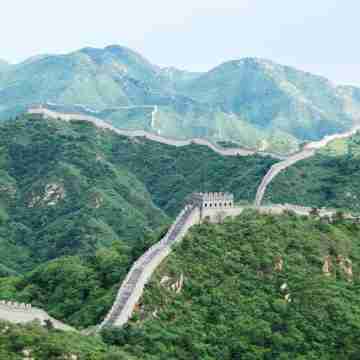

Mountain hiking, also known as mountain trekking or mountaineering, is an exhilarating outdoor activity that involves trekking through mountainous terrain. Whether you’re a seasoned hiker or a beginner,
» » » »

A website design bootcamp is an intensive and immersive training program focused on teaching participants the skills and techniques needed to create effective and visually appealing websites. These
» » » »


From Wikipedia, the free encyclopedia Yoga (/ˈjoʊɡə/ ⓘ;[1] Sanskrit: योग, lit. ’yoke’ or ‘union’ pronounced [joːɡɐ]) is a group of physical, mental, and spiritual practices or disciplines which originated
» » » »

From ODBA website. News Oct 27-29, 2023 – Chris Dorey brought back 4 medals from … the Vancouver MastersOct 27-29, 2023 – Reath Roth, Ying Jian & Aayus
» » » »

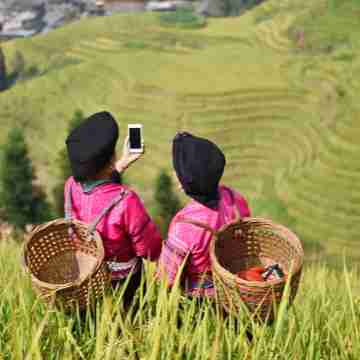
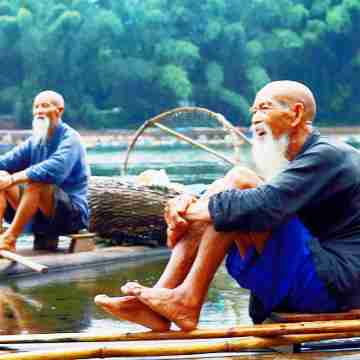
The museum,test covering Chinese history from the Yuanmou Man of 1.7 million years ago to the end of the Qing Dynasty (the last imperial dynasty in Chinese history), has a permanent collection of
» » » »
A tour of a Chinese museum can be a fascinating and enriching experience, offering insights into China’s rich cultural heritage, history, art, and traditions. A tour of a
» » » »





Preparing for a marathon requires a well-structured training plan that gradually builds your endurance, strength, and speed over several months. Here’s a sample marathon training plan that you
» » » »



Comment
Comment Message Box Error
Please do not use newline break key!
be the first one to write a comment.