

Start Date/Time: Tuesday, October 1, 2024 12:00 am
End Date/Time: Friday, October 23, 2026 12:00 am
This Course started in the past and is ongoing.
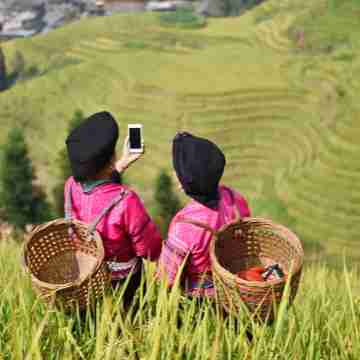
Tea tasting is a sensory experience that allows you to explore the flavors, aromas, and nuances of different types of tea. Whether you’re a tea aficionado or a novice, tea tasting can be a delightful and educational activity. Here’s how you can organize a tea tasting session:
1. **Select a Variety of Teas**: Choose a selection of teas to taste, including different types such as black, green, white, oolong, and herbal teas. You can also explore teas from different regions, such as China, Japan, India, and Sri Lanka, to experience the unique characteristics of each.
2. **Prepare the Teas**: Brew each tea according to its specific brewing instructions. Use fresh, filtered water and the appropriate water temperature and steeping time for each type of tea. You can use teapots, tea infusers, or gaiwans to brew the tea, depending on your preference and the type of tea.
3. **Set Up the Tasting Area**: Arrange the brewed teas in tasting cups or small teacups, along with a water pitcher and cups for rinsing and palate cleansing. Provide tasting notes or information about each tea, including its origin, flavor profile, and brewing instructions.
4. **Engage Your Senses**: Encourage participants to engage all their senses during the tea tasting. Observe the color, clarity, and viscosity of the tea liquor. Inhale the aroma of the brewed tea to discern its fragrance and complexity. Take note of the flavor profile, including the taste, mouthfeel, and aftertaste.
5. **Taste Mindfully**: Take small sips of each tea and allow the flavors to coat your palate. Pay attention to the different taste sensations, such as sweetness, bitterness, astringency, and umami. Notice how the flavors evolve and linger on your palate with each sip.
6. **Compare and Contrast**: Compare and contrast the different teas you’re tasting, noting their similarities and differences in flavor, aroma, and appearance. Discuss your observations with fellow participants and share your impressions and preferences.
7. **Experiment with Pairings**: Experiment with food pairings to enhance the tea tasting experience. Try pairing the teas with complementary flavors, such as fruits, pastries, cheeses, or chocolates, to discover new flavor combinations and sensory experiences.
8. **Take Notes**: Encourage participants to take notes during the tea tasting, recording their observations, preferences, and any insights gained from the experience. This can help deepen their understanding of tea and serve as a reference for future tastings.
9. **Explore Tea Ceremony**: Consider incorporating elements of tea ceremony or tea rituals into the tasting session to add a sense of mindfulness and reverence to the experience. Explore traditional tea ceremonies from different cultures, such as Chinese tea ceremony, Japanese tea ceremony (chanoyu), or English afternoon tea.
10. **Enjoy the Experience**: Above all, relax and enjoy the tea tasting experience! Tea tasting is a journey of discovery and appreciation, so savor each moment and embrace the opportunity to explore the diverse and fascinating world of tea.
Whether you’re hosting a tea tasting for friends, family, or colleagues, or attending a formal tea tasting event, the key is to approach the experience with an open mind and a sense of curiosity. By engaging your senses and exploring the nuances of different teas, you can deepen your appreciation for this ancient and beloved beverage.


From City of Ottawa Recreation website. You are encouraged to reserve a space for drop-in programs online in advance. In-person walk-in reservations will be accepted when space allows.
» » » »

Tanghulu is a traditional Chinese snack made from candied fruits, typically hawthorn berries (shan zha), but also commonly made with other fruits like strawberries, grapes, or oranges. Here’s
» » » »


Mountain hiking, also known as mountain trekking or mountaineering, is an exhilarating outdoor activity that involves trekking through mountainous terrain. Whether you’re a seasoned hiker or a beginner,
» » » »

A website design bootcamp is an intensive and immersive training program focused on teaching participants the skills and techniques needed to create effective and visually appealing websites. These
» » » »


From Wikipedia, the free encyclopedia Yoga (/ˈjoʊɡə/ ⓘ;[1] Sanskrit: योग, lit. ’yoke’ or ‘union’ pronounced [joːɡɐ]) is a group of physical, mental, and spiritual practices or disciplines which originated
» » » »

From ODBA website. News Oct 27-29, 2023 – Chris Dorey brought back 4 medals from … the Vancouver MastersOct 27-29, 2023 – Reath Roth, Ying Jian & Aayus
» » » »

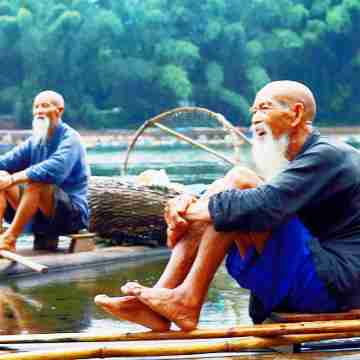
The museum,test covering Chinese history from the Yuanmou Man of 1.7 million years ago to the end of the Qing Dynasty (the last imperial dynasty in Chinese history), has a permanent collection of
» » » »
A tour of a Chinese museum can be a fascinating and enriching experience, offering insights into China’s rich cultural heritage, history, art, and traditions. A tour of a
» » » »






Preparing for a marathon requires a well-structured training plan that gradually builds your endurance, strength, and speed over several months. Here’s a sample marathon training plan that you
» » » »



Comment
Comment Message Box Error
Please do not use newline break key!
be the first one to write a comment.