

Start Date/Time: Wednesday, February 5, 2020 12:00 am
End Date/Time: Tuesday, March 3, 2020 12:00 am
This Course has ended.
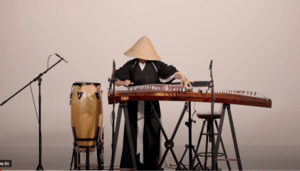
Taking a pottery course is a wonderful way to explore your creativity, learn new skills, and work with your hands to create beautiful and functional ceramic pieces. Here’s what you might expect from a typical pottery course:
1. **Introduction to Pottery**: The course may begin with an overview of the history and techniques of pottery, including the different types of clay, tools, equipment, and firing methods used in pottery making.
2. **Hand-Building Techniques**: You’ll learn various hand-building techniques for shaping and forming clay by hand, such as pinch pottery, coil pottery, slab building, and modeling. These techniques allow you to create a wide range of forms and shapes, from bowls and cups to sculptures and vessels.
3. **Wheel Throwing**: If the course includes wheel throwing, you’ll learn how to use a pottery wheel to create cylindrical forms like cups, bowls, and vases. You’ll learn techniques for centering the clay on the wheel, pulling up walls, shaping, trimming, and finishing your wheel-thrown pieces.
4. **Surface Decoration**: Once your pottery pieces are formed, you’ll learn how to decorate them using various surface decoration techniques, such as carving, stamping, sgraffito (scratching through layers of slip or glaze), painting, glazing, and adding texture.
5. **Glazing and Firing**: You’ll learn about glazes, including different types of glazes, glaze application methods, and how to achieve desired colors and effects. You’ll also learn about the firing process, including bisque firing and glaze firing, and how to operate kilns safely.
6. **Studio Time and Practice**: Much of the course will be spent in the studio, where you’ll have the opportunity to practice and experiment with the techniques you’ve learned. You’ll receive guidance and feedback from the instructor as you work on your projects.
7. **Critique and Feedback**: The instructor may provide critiques and feedback on your work to help you improve your skills and develop your artistic voice. Critiques may be conducted individually or in group settings, allowing for peer feedback and collaboration.
8. **Special Projects and Themes**: Some pottery courses may include special projects or themes to explore, such as sculptural ceramics, functional pottery, ceramic jewelry, or thematic series based on cultural or personal inspiration.
9. **Community and Collaboration**: Pottery courses often foster a sense of community and camaraderie among students, providing opportunities to connect with fellow ceramic artists, share ideas and experiences, and collaborate on projects or events.
10. **Exhibition or Showcase**: Some pottery courses culminate in an exhibition or showcase where students have the opportunity to display their work and celebrate their accomplishments with friends, family, and the wider community.
Whether you’re a beginner exploring pottery for the first time or an experienced ceramic artist looking to refine your skills, a pottery course offers a supportive and creative environment where you can learn, grow, and express yourself through clay. So roll up your sleeves, get your hands dirty, and let your creativity take shape!


From City of Ottawa Recreation website. You are encouraged to reserve a space for drop-in programs online in advance. In-person walk-in reservations will be accepted when space allows.
» » » »

Tanghulu is a traditional Chinese snack made from candied fruits, typically hawthorn berries (shan zha), but also commonly made with other fruits like strawberries, grapes, or oranges. Here’s
» » » »
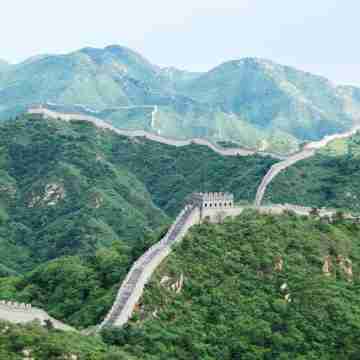

Mountain hiking, also known as mountain trekking or mountaineering, is an exhilarating outdoor activity that involves trekking through mountainous terrain. Whether you’re a seasoned hiker or a beginner,
» » » »

A website design bootcamp is an intensive and immersive training program focused on teaching participants the skills and techniques needed to create effective and visually appealing websites. These
» » » »

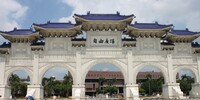
From Wikipedia, the free encyclopedia Yoga (/ˈjoʊɡə/ ⓘ;[1] Sanskrit: योग, lit. ’yoke’ or ‘union’ pronounced [joːɡɐ]) is a group of physical, mental, and spiritual practices or disciplines which originated
» » » »

From ODBA website. News Oct 27-29, 2023 – Chris Dorey brought back 4 medals from … the Vancouver MastersOct 27-29, 2023 – Reath Roth, Ying Jian & Aayus
» » » »

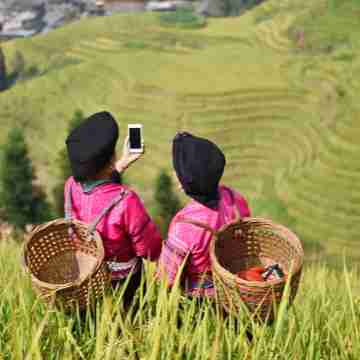
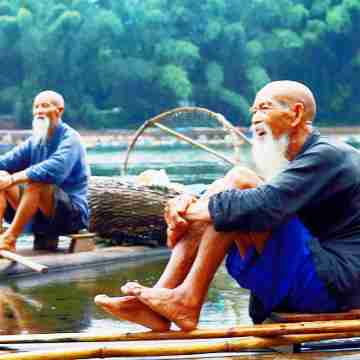
The museum,test covering Chinese history from the Yuanmou Man of 1.7 million years ago to the end of the Qing Dynasty (the last imperial dynasty in Chinese history), has a permanent collection of
» » » »
A tour of a Chinese museum can be a fascinating and enriching experience, offering insights into China’s rich cultural heritage, history, art, and traditions. A tour of a
» » » »





Preparing for a marathon requires a well-structured training plan that gradually builds your endurance, strength, and speed over several months. Here’s a sample marathon training plan that you
» » » »



Comment
Comment Message Box Error
Please do not use newline break key!
be the first one to write a comment.