

Start Date/Time: Friday, February 13, 2026 12:00 am
End Date/Time: Tuesday, October 13, 2026 12:00 am
This Course started in the past and is ongoing.

Mountain hiking, also known as mountain trekking or mountaineering, is an exhilarating outdoor activity that involves trekking through mountainous terrain. Whether you’re a seasoned hiker or a beginner, mountain hiking offers a variety of challenges and rewards. Here’s a guide to help you get started:
1. **Choose Your Destination**: Research different mountain trails and choose one that matches your skill level and interests. Consider factors such as elevation gain, trail length, difficulty level, and scenery. National parks, nature reserves, and hiking websites are great resources for finding hiking trails.
2. **Check the Weather**: Before embarking on your hike, check the weather forecast for the area. Mountain weather can be unpredictable, so it’s essential to be prepared for changing conditions. Dress in layers and pack rain gear and extra clothing as needed.
3. **Prepare Your Gear**: Invest in proper hiking gear, including sturdy hiking boots with ankle support, moisture-wicking clothing, a backpack, water bottles or a hydration bladder, a map and compass or GPS device, a first aid kit, a headlamp or flashlight, sunscreen, sunglasses, and a hat. Pack lightweight, high-energy snacks and meals for fuel during your hike.
4. **Start Early**: Plan to start your hike early in the day to allow plenty of time to complete the trail and avoid hiking in the heat of the day. It’s also a good idea to start early to minimize the risk of getting caught in afternoon thunderstorms or other adverse weather conditions.
5. **Stay Hydrated and Fueled**: Drink plenty of water throughout your hike to stay hydrated, especially at higher altitudes where dehydration can occur more quickly. Snack on high-energy foods like trail mix, nuts, granola bars, and fruit to keep your energy levels up.
6. **Follow Leave No Trace Principles**: Practice Leave No Trace principles to minimize your impact on the environment. Pack out all trash, stay on designated trails, avoid disturbing wildlife, and be respectful of other hikers and the natural surroundings.
7. **Be Aware of Altitude**: If you’re hiking at high altitudes, be aware of the symptoms of altitude sickness, such as headache, nausea, dizziness, and fatigue. Take it slow, stay hydrated, and listen to your body. If you experience severe symptoms, descend to a lower altitude immediately.
8. **Enjoy the Journey**: Take time to appreciate the stunning scenery, wildlife, and solitude of the mountains. Pace yourself, take breaks as needed, and enjoy the journey as much as the destination.
9. **Safety First**: Prioritize safety at all times during your hike. Stay on marked trails, avoid steep or unstable terrain, and be cautious near cliffs and drop-offs. If you’re hiking alone, let someone know your plans and expected return time.
10. **Leave No Trace**: Respect the environment by leaving no trace of your visit. Pack out all trash, avoid damaging vegetation, and follow designated trails. By leaving the environment as you found it, you help preserve it for future generations to enjoy.
Remember to always hike within your abilities and comfort level, and don’t hesitate to turn back if conditions become unsafe. With proper preparation and precautions, mountain hiking can be a rewarding and unforgettable experience.


From City of Ottawa Recreation website. You are encouraged to reserve a space for drop-in programs online in advance. In-person walk-in reservations will be accepted when space allows.
» » » »

Tanghulu is a traditional Chinese snack made from candied fruits, typically hawthorn berries (shan zha), but also commonly made with other fruits like strawberries, grapes, or oranges. Here’s
» » » »


A website design bootcamp is an intensive and immersive training program focused on teaching participants the skills and techniques needed to create effective and visually appealing websites. These
» » » »


From Wikipedia, the free encyclopedia Yoga (/ˈjoʊɡə/ ⓘ;[1] Sanskrit: योग, lit. ’yoke’ or ‘union’ pronounced [joːɡɐ]) is a group of physical, mental, and spiritual practices or disciplines which originated
» » » »

From ODBA website. News Oct 27-29, 2023 – Chris Dorey brought back 4 medals from … the Vancouver MastersOct 27-29, 2023 – Reath Roth, Ying Jian & Aayus
» » » »


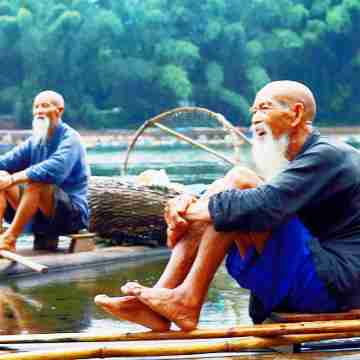
The museum,test covering Chinese history from the Yuanmou Man of 1.7 million years ago to the end of the Qing Dynasty (the last imperial dynasty in Chinese history), has a permanent collection of
» » » »
A tour of a Chinese museum can be a fascinating and enriching experience, offering insights into China’s rich cultural heritage, history, art, and traditions. A tour of a
» » » »







Preparing for a marathon requires a well-structured training plan that gradually builds your endurance, strength, and speed over several months. Here’s a sample marathon training plan that you
» » » »



Comment
Comment Message Box Error
Please do not use newline break key!
be the first one to write a comment.