

Start Date/Time: Sunday, January 1, 2023 12:00 am
End Date/Time: Saturday, January 7, 2023 12:00 am
This Course has ended.
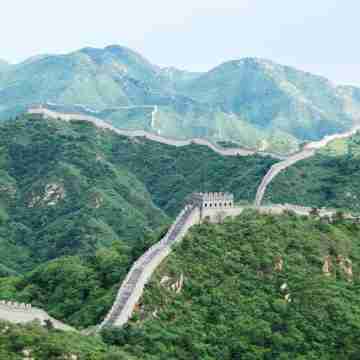
Taking an oil painting course can be a fantastic way to learn or improve your skills in this traditional and versatile medium. Here’s a general outline of what you might expect from such a course:
1. **Introduction to Materials**: You’ll start by learning about the materials used in oil painting, including different types of brushes, paints, canvases, and other tools. Understanding how to select and care for your materials is crucial for creating successful oil paintings.
2. **Basic Techniques**: The course will likely cover fundamental oil painting techniques, such as color mixing, brushwork, blending, layering, and creating different textures. You’ll learn how to manipulate the paint to achieve various effects and styles.
3. **Color Theory**: Understanding color theory is essential for any painter. You’ll learn about concepts like hue, value, saturation, complementary colors, warm and cool colors, and how to use color effectively to convey mood and atmosphere in your paintings.
4. **Composition and Design**: Composition plays a significant role in the success of a painting. You’ll learn about different compositional techniques, such as the rule of thirds, leading lines, focal points, and how to create balance and harmony in your compositions.
5. **Subject Matter**: The course may cover various subjects for oil painting, such as still life, landscapes, portraits, and abstracts. You’ll learn different approaches and techniques for each subject matter, as well as how to effectively capture light, form, and expression.
6. **Style and Expression**: As you progress, you’ll have the opportunity to develop your own style and artistic voice. The course may encourage experimentation and self-expression, allowing you to explore different techniques, subjects, and themes in your work.
7. **Critiques and Feedback**: Constructive critique and feedback from instructors and peers are invaluable for growth as an artist. The course may include group critiques where you can share your work, receive feedback, and learn from others.
8. **Art History and Inspiration**: Learning about the history of oil painting and studying the works of master artists can provide inspiration and insights into different styles and techniques. The course may include discussions or assignments related to art history and contemporary trends in oil painting.
9. **Practical Projects**: Throughout the course, you’ll work on practical painting projects to apply the techniques and concepts you’ve learned. These projects may vary in complexity and subject matter, allowing you to build your skills progressively.
10. **Final Showcase or Exhibition**: Some courses culminate in a final showcase or exhibition where you can display your artwork and celebrate your progress with fellow students, friends, and family.
When choosing an oil painting course, consider factors such as the instructor’s expertise, teaching style, class size, duration, and curriculum. Whether you’re a beginner looking to learn the basics or an experienced painter seeking to refine your skills, a well-structured oil painting course can provide valuable guidance, support, and inspiration on your artistic journey.

From City of Ottawa Recreation website. You are encouraged to reserve a space for drop-in programs online in advance. In-person walk-in reservations will be accepted when space allows.
» » » »

Tanghulu is a traditional Chinese snack made from candied fruits, typically hawthorn berries (shan zha), but also commonly made with other fruits like strawberries, grapes, or oranges. Here’s
» » » »
Mountain hiking, also known as mountain trekking or mountaineering, is an exhilarating outdoor activity that involves trekking through mountainous terrain. Whether you’re a seasoned hiker or a beginner,
» » » »

A website design bootcamp is an intensive and immersive training program focused on teaching participants the skills and techniques needed to create effective and visually appealing websites. These
» » » »

From Wikipedia, the free encyclopedia Yoga (/ˈjoʊɡə/ ⓘ;[1] Sanskrit: योग, lit. ’yoke’ or ‘union’ pronounced [joːɡɐ]) is a group of physical, mental, and spiritual practices or disciplines which originated
» » » »
From ODBA website. News Oct 27-29, 2023 – Chris Dorey brought back 4 medals from … the Vancouver MastersOct 27-29, 2023 – Reath Roth, Ying Jian & Aayus
» » » »

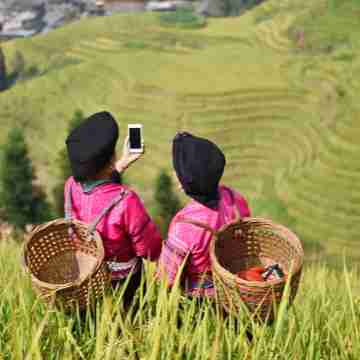
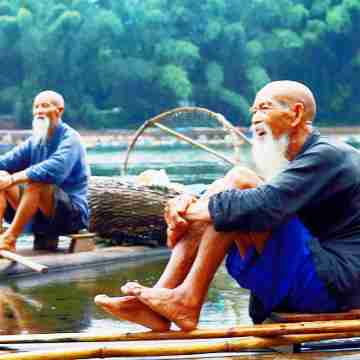
The museum,test covering Chinese history from the Yuanmou Man of 1.7 million years ago to the end of the Qing Dynasty (the last imperial dynasty in Chinese history), has a permanent collection of
» » » »
A tour of a Chinese museum can be a fascinating and enriching experience, offering insights into China’s rich cultural heritage, history, art, and traditions. A tour of a
» » » »




Preparing for a marathon requires a well-structured training plan that gradually builds your endurance, strength, and speed over several months. Here’s a sample marathon training plan that you
» » » »



Comment
Comment Message Box Error
Please do not use newline break key!
be the first one to write a comment.