

Start Date/Time: Thursday, December 31, 2020 12:00 am
End Date/Time: Thursday, December 31, 2020 12:00 am
This Course has ended.

Taking a filmmaking course can be a rewarding way to learn the art and craft of creating films, whether you’re a beginner looking to explore your passion for filmmaking or an experienced filmmaker seeking to refine your skills. Here’s what you might expect from a filmmaking course:
1. **Introduction to Filmmaking**: The course may begin with an overview of the filmmaking process, including pre-production, production, and post-production. You’ll learn about the roles and responsibilities of key crew members, such as directors, producers, cinematographers, editors, and sound designers.
2. **Screenwriting**: Screenwriting is the foundation of filmmaking, so many courses cover the fundamentals of storytelling, screenplay structure, character development, dialogue, and formatting. You’ll learn how to write compelling scripts for different genres and formats, such as feature films, short films, documentaries, and web series.
3. **Cinematography**: Cinematography focuses on the visual aspects of filmmaking, including camera operation, framing, composition, lighting, and camera movement. You’ll learn how to use cameras, lenses, and other equipment to create dynamic and visually stunning images that enhance the storytelling.
4. **Directing**: Directing is the art of guiding actors and crew members to bring a screenplay to life on screen. You’ll learn about directing techniques, blocking, rehearsal processes, working with actors, and collaborating with other departments to achieve the desired artistic vision.
5. **Production Design and Art Direction**: Production design and art direction are essential for creating the look and feel of a film’s sets, props, costumes, and locations. You’ll learn how to design and create visual elements that support the story and enhance the overall aesthetic of the film.
6. **Editing and Post-Production**: Editing is the process of selecting and assembling footage to create a coherent narrative. You’ll learn about editing techniques, pacing, continuity, sound design, visual effects, color grading, and other aspects of post-production that contribute to the final film.
7. **Sound Design and Music Composition**: Sound design and music composition play a crucial role in creating mood, atmosphere, and emotion in a film. You’ll learn about recording and editing sound, creating sound effects, mixing audio tracks, and selecting or composing music that enhances the storytelling.
8. **Collaborative Projects**: Many filmmaking courses involve hands-on projects where you work collaboratively with classmates to write, shoot, and edit short films or scenes. These projects allow you to apply the skills and techniques you’ve learned in a practical and creative setting.
9. **Industry Insights and Networking**: Some courses may include guest lectures, workshops, or industry panels featuring filmmakers, producers, and other industry professionals. These opportunities provide valuable insights into the filmmaking industry and networking opportunities to connect with peers and mentors.
10. **Portfolio Development and Showcase**: By the end of the course, you’ll have developed a portfolio of work that showcases your skills and creativity as a filmmaker. Some courses culminate in a final screening or showcase where you can share your work with classmates, instructors, and industry professionals.
When choosing a filmmaking course, consider factors such as the course curriculum, instructor qualifications, class size, facilities and equipment, student reviews, and opportunities for hands-on learning and networking. Whether you’re interested in narrative filmmaking, documentary filmmaking, animation, or experimental filmmaking, there’s a filmmaking course out there to help you explore your passion and develop your skills as a filmmaker.


From City of Ottawa Recreation website. You are encouraged to reserve a space for drop-in programs online in advance. In-person walk-in reservations will be accepted when space allows.
» » » »

Tanghulu is a traditional Chinese snack made from candied fruits, typically hawthorn berries (shan zha), but also commonly made with other fruits like strawberries, grapes, or oranges. Here’s
» » » »


Mountain hiking, also known as mountain trekking or mountaineering, is an exhilarating outdoor activity that involves trekking through mountainous terrain. Whether you’re a seasoned hiker or a beginner,
» » » »

A website design bootcamp is an intensive and immersive training program focused on teaching participants the skills and techniques needed to create effective and visually appealing websites. These
» » » »


From Wikipedia, the free encyclopedia Yoga (/ˈjoʊɡə/ ⓘ;[1] Sanskrit: योग, lit. ’yoke’ or ‘union’ pronounced [joːɡɐ]) is a group of physical, mental, and spiritual practices or disciplines which originated
» » » »

From ODBA website. News Oct 27-29, 2023 – Chris Dorey brought back 4 medals from … the Vancouver MastersOct 27-29, 2023 – Reath Roth, Ying Jian & Aayus
» » » »

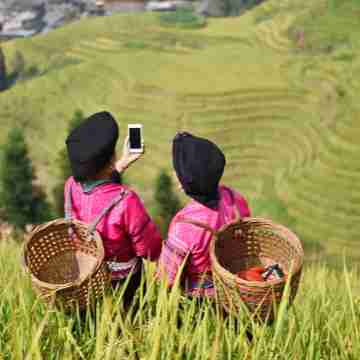
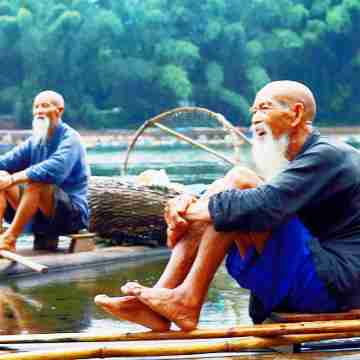
The museum,test covering Chinese history from the Yuanmou Man of 1.7 million years ago to the end of the Qing Dynasty (the last imperial dynasty in Chinese history), has a permanent collection of
» » » »
A tour of a Chinese museum can be a fascinating and enriching experience, offering insights into China’s rich cultural heritage, history, art, and traditions. A tour of a
» » » »






Preparing for a marathon requires a well-structured training plan that gradually builds your endurance, strength, and speed over several months. Here’s a sample marathon training plan that you
» » » »



Comment
Comment Message Box Error
Please do not use newline break key!
be the first one to write a comment.