







| Place of Origin: |
China 
|
|---|---|
| Price: | $ 88,888.00 / 500g |
| Ingredients: | Baihao Yinzhen, Shou Mei |
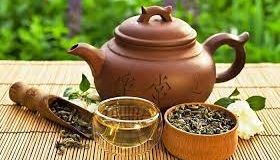
White Peony, also known as Bai Mudan in Chinese, is a type of white tea that originates from China’s Fujian province. It’s considered one of the premium varieties of white tea and is renowned for its delicate flavor and aroma. The name “White Peony” comes from the appearance of the tea leaves, which are said to resemble peony petals.
Here are some key characteristics of White Peony tea:
White Peony tea is prized by tea enthusiasts for its subtle complexity and natural sweetness. It’s often enjoyed on its own, without the need for added sugar or milk, to fully appreciate its delicate flavor profile.
White tea is a type of tea that is minimally processed compared to other types like green, oolong, or black tea. It is made from the leaves of the Camellia sinensis plant, the same plant used to produce other types of tea. However, what sets white tea apart is that it is made from very young leaves and buds that are harvested before they fully open. These young leaves and buds are covered with fine white hairs, which is where the name “white tea” comes from.
The minimal processing of white tea involves withering the leaves, typically in natural sunlight, and then allowing them to dry. Unlike green or black tea, white tea is not oxidized, which means the leaves are not exposed to oxygen for an extended period of time. This minimal processing helps to preserve the natural flavor and aroma of the tea leaves.
White tea is known for its delicate flavor profile, which can range from floral and fruity to slightly sweet and nutty, depending on the specific variety and processing methods used. It also tends to have a lighter color and lower caffeine content compared to other types of tea.
Some popular varieties of white tea include Silver Needle (Baihao Yinzhen), White Peony (Bai Mudan), and Long Life Eyebrow (Shou Mei). White tea is often brewed with water that is not quite boiling, typically around 175°F (80°C), and steeped for a shorter period of time compared to other types of tea to prevent bitterness. It can be enjoyed on its own or paired with light foods to complement its delicate flavor.














| 1 | Generic singular.php will be used for single post which does not have specified format for that category or post type. |
|---|---|
| 2 | If you are logged in, the post comment will only ask for post rating, comment title and message. If you are not logged in and is a visitor, the post comment will ask for more questions of your name, email, phone, country. |
| 3 | Notes:
|
| 5 | Total number of the comment will include the counting of sub-comment (second-level comment replying to top-level comment). |
| 6 | Each page will break every 3 top-level comments into pages, click Older Comments or Newer Comments to view more comments. |
| 7 | Click the close icon on the right-top corner of this section to close this instruction. |
Comment
Comment Message Box Error
Please do not use newline break key!
be the first one to write a comment.