Start Date/Time:
Wednesday, November 13, 2041 8:27 pm
End Date/Time:
Tuesday, December 13, 2044 8:27 pm
Venue - Spain
Party is open for registration;
Register below to join this Party.
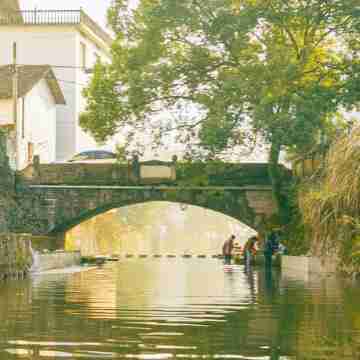
The Running of the Bulls (known as Encierro in Spanish) is one of the most iconic and thrilling traditions in Spain, particularly celebrated during the San Fermín Festival in Pamplona, located in the Navarre region of northern Spain. This centuries-old tradition involves participants running ahead of a group of bulls through the streets of the city. Here’s an overview of the tradition, its origins, cultural significance, and the events surrounding it:
1. Origin and History:
The San Fermín Festival: The Running of the Bulls is part of the larger San Fermín Festival held annually from July 6 to July 14 in Pamplona. The festival honors Saint Fermin, the patron saint of Navarre. It dates back to the 16th century and has evolved over time into a major international event.
Origins of the Running: The running of the bulls is believed to have originated as a means of transporting the bulls from the countryside to the bullring for the daily bullfights. Townspeople would run ahead of the bulls to guide them into the city. Over time, the event became more organized, and participants began running for sport rather than purely for practical reasons.
2. How the Running of the Bulls Works:
Timing: The Running of the Bulls occurs every morning at 8:00 AM during the San Fermín Festival. Runners gather at the starting line, where the bulls are kept in holding pens before being released onto the streets.
Route: The bulls run along a narrow, 825-meter (0.5 miles) course through the streets of Pamplona, from the Corral de Santo Domingo to the Plaza de Toros (the bullring). The route is marked by narrow, cobbled streets that require participants to navigate sharp turns.
The Bulls: Six bulls are released at the start of the run. These bulls are bred specifically for bullfighting, known for their strength and speed. Along with the bulls, a few steers (trained animals that help guide the bulls) run as well.
The Runners: Participants, known as corredores, attempt to run ahead of the bulls while avoiding injury. They wear traditional attire: white clothes with a red scarf and belt. Runners try to stay ahead of the bulls without being knocked down or gored. The event typically lasts for about 2–3 minutes.
3. Cultural and Religious Significance:
Religious Celebration: The San Fermín Festival, including the Running of the Bulls, has religious roots, as it honors Saint Fermin. The festival includes processions, religious services, and other spiritual observances. The celebration of Saint Fermin’s feast day on July 7 is the focal point of the festival.
Symbolism: In Spanish culture, bulls represent power, bravery, and masculinity, which makes the Running of the Bulls a celebration of courage, strength, and defiance of danger. It’s seen as a test of nerve and boldness, while also paying homage to the animals involved.
4. Risks and Safety:
Dangerous Event: The Running of the Bulls is highly dangerous. Every year, many participants are injured, and while fatalities are rare, they do occur. Runners risk being gored by the bulls or trampled if they fall or are pushed by the animals or the crowd.
Precautions: While safety measures have improved over time, such as better crowd control and emergency medical services, the event remains inherently risky. Participants are urged to follow the rules, including avoiding reckless behavior like taunting the bulls or trying to grab them.
5. The Role of Bullfighting:
After the running, the bulls are directed into the Plaza de Toros, where they will later be involved in a bullfight. The bullfight is a traditional Spanish spectacle, where a matador (bullfighter) faces off with the bull. The bulls are eventually killed in the ring, which has been a subject of controversy due to concerns over animal cruelty.
6. Global Popularity and Cultural Impact:
Ernest Hemingway’s Influence: The Running of the Bulls gained international fame in the 20th century, largely due to American writer Ernest Hemingway, whose novel The Sun Also Rises (1926) depicted the event and its appeal. Hemingway’s work brought global attention to Pamplona and the San Fermín Festival, attracting people from all over the world to participate.
Tourism: Today, thousands of visitors from across the globe travel to Pamplona to witness or take part in the Running of the Bulls. The festival is one of Spain’s most famous and attracts both thrill-seekers and those wishing to experience Spanish culture firsthand.
Media and Popular Culture: The event has been featured in films, documentaries, and television programs, further cementing its place as an iconic tradition in Spain.
7. Controversy and Animal Rights:
Animal Rights Concerns: The tradition has sparked debates regarding animal rights, particularly because of the bullfighting aspect and the treatment of bulls. Critics argue that the event and the subsequent bullfights are cruel to animals. Supporters of the event, however, view it as an integral part of Spanish culture and heritage.
Alternatives and Protests: In some places, there have been calls to ban bullfighting and the Running of the Bulls due to concerns over animal welfare. In certain cities, alternatives such as “fake bull runs” using inflatable bulls have been introduced to avoid harming animals.
8. Festivities Beyond the Running:
The Chupinazo: The San Fermín Festival kicks off with the Chupinazo, a rocket launch from the town hall that signals the beginning of the festival. It is followed by a day of celebrations, including music, dancing, and fireworks.
Other Events: Beyond the Running of the Bulls, the San Fermín Festival includes a variety of activities such as parades, traditional Basque music, folk dances, and fairs. People participate in street parties, wear traditional costumes, and enjoy regional foods and drinks.
9. Tradition and Modern Adaptation:
Modern Participation: Though the Running of the Bulls has deep historical roots, modern participants often view it as an extreme sport or rite of passage, and some tourists take part without a full understanding of the risks involved.
Regulations: Due to the event’s growing popularity, there are stricter regulations in place to manage the crowds and participants. Runners must adhere to safety guidelines, including avoiding alcohol before the run and staying within the designated areas.
10. Conclusion:
The Running of the Bulls is a deeply ingrained Spanish tradition that combines cultural, religious, and social elements. While thrilling and highly celebrated, it also raises ethical questions about the treatment of animals and the safety of participants. Whether as a test of courage or a cultural spectacle, the tradition continues to draw attention from people worldwide and remains a central feature of the San Fermín Festival in Pamplona.
Note: In order to attend this event
"Traditions Running of the Bulls"
( - to be held in
Spain ,
beginning on the date of
Wednesday, November 13, 2041 - )
you need to make reservation. Please check the following
"Yes"
to register.
Comment
Comment Message Box Error
Please do not use newline break key!
be the first one to write a comment.