



-- white tea second lines
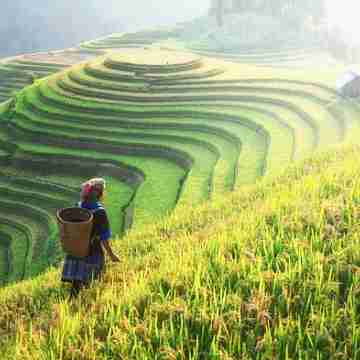
White tea is known to be one of the most delicate tea varieties because it is so minimally processed.
White tea is harvested before the tea plant’s leaves open fully.These buds and unfurled leaves from the newest growth on the tea plant are handpicked and then quickly and meticulously dried, so the leaves are not allowed to oxidize as long as leaves plucked for green or black tea production.

-- red tea second line
Known as black tea in the West, red tea is one of the most commonly produced styles of loose leaf tea in the world.
By definition, a well-made red tea is fully fermented. Unlike other loose leaf teas, Chinese red tea has almost a linear history that's simple yet profoundly international and impactful.

-- green tea second line
Green tea is a type of tea that is made from Camellia sinensis leaves and buds that have not undergone the same withering and oxidation process which is used to make oolong teas and black teas.
Several varieties of green tea exist, which differ substantially based on the variety of C. sinensis used, growing conditions, horticultural methods, production processing, and time of harvest.

-- oolong tea second line
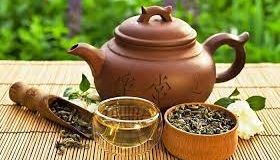
Oolong tea is a traditional Chinese tea that falls between green tea and black tea in terms of oxidation levels. It's known for its wide range of flavors, from floral and fruity to woody and roasted, depending on how it's processed. Oolong teas are partially oxidized, which gives them their unique taste profile and aroma. They can vary widely in color and flavor, reflecting the specific processing methods and the region where they are grown. Oolong tea is often enjoyed for its complexity and the way its flavors can evolve through multiple infusions.
| 1 | In the dashboard, the above carousel images and text could be updated under Appearance -> Customize -> 6. Carousel (Tea Talk page) -> Carousel 1, Carousel 2, Carousel 3, Carousel 4. |
|---|---|
| 2 | Click the close icon on the right-top corner of this section to close this instruction. |
Tea history is quite fascinating! It’s a beverage with a rich heritage that stretches back thousands of years.
Legend has it that tea was discovered accidentally by the Chinese Emperor Shen Nong around 2737 BCE. According to the story, some tea leaves blew into a pot of boiling water he was preparing, creating the first infusion. Intrigued by the aroma and flavor, he tried the concoction and found it delightful. Thus, tea was born!
Originally, tea was consumed mainly for its medicinal properties, valued for its supposed ability to promote good health and vitality. Over time, its popularity grew, and it became an integral part of Chinese culture, spreading to neighboring countries like Japan and Korea.
Tea cultivation and preparation methods evolved significantly over the centuries. The Chinese mastered the art of growing, processing, and brewing tea, leading to the development of different types such as green, black, white, oolong, and pu-erh tea.
Tea played a crucial role in trade and cultural exchange along the ancient Silk Road, facilitating connections between East and West. It reached Europe in the 16th century, where it quickly gained popularity among the aristocracy.
In the 17th and 18th centuries, the British East India Company played a pivotal role in popularizing tea in England and eventually throughout the British Empire. Tea became synonymous with British culture, leading to traditions like afternoon tea.
Today, tea is enjoyed worldwide, with diverse cultures and regions each contributing their own unique varieties, brewing techniques, and rituals. Whether it’s a traditional Japanese tea ceremony, a British high tea, or a casual cup of chai in India, tea continues to bring people together and provide moments of comfort and connection.
| Title: | 2 |
|---|---|
| Content: | 278 |
| 1 | The following frequently asked questions could be updated under custom post type FAQ in the dashboard. |
|---|---|
| 2 | Post title will be the question and post content will be the answer. |
| 3 | Post title will be automatically converted into uppercase. |
| 4 | Click the close icon on the right-top corner of this section to close this instruction. |

Tea has a rich and storied history in ancient China, dating back thousands of years. While the exact origins of tea consumption are shrouded in legend and myth, historical records provide insights into its early cultivation, preparation, and consumption. Here are some key aspects of tea from ancient China:
Overall, tea has been an integral part of Chinese civilization for millennia, shaping cultural practices, social customs, and culinary traditions. Its enduring popularity and significance continue to resonate in modern China and beyond, reflecting its timeless appeal and universal appeal as a symbol of hospitality, refinement, and well-being.

Tea thrives best in regions with specific climatic and geographical conditions that support its growth and flavor development. Here are some factors that contribute to the ideal tea-growing regions:
1. **Climate**: Tea plants prefer moderate temperatures with abundant rainfall and humidity. They thrive in regions with well-defined seasons, where they experience periods of dormancy during the winter and active growth during the spring and summer. Tea plants are sensitive to frost and extreme heat, so regions with mild, temperate climates are most suitable.
2. **Altitude**: Tea plants grow best at higher altitudes, typically between 1,000 and 2,000 meters above sea level. Higher altitudes provide cooler temperatures, reduced humidity, and ample sunlight, which contribute to slower growth and the development of complex flavors in the tea leaves.
3. **Soil**: Tea plants require well-drained, acidic soils rich in organic matter. Sandy or loamy soils with good aeration and drainage are ideal for tea cultivation. The soil composition and mineral content play a crucial role in the flavor, aroma, and quality of the tea leaves.
4. **Rainfall**: Adequate rainfall is essential for tea cultivation, as tea plants require consistent moisture throughout the growing season. Regions with annual rainfall ranging from 1,000 to 2,000 millimeters are ideal for tea production. However, excessive rainfall or waterlogged conditions can adversely affect tea quality and yield.
5. **Sunlight**: Tea plants require ample sunlight to thrive and undergo photosynthesis. However, they also benefit from partial shade, especially during the hottest part of the day. Shade-grown teas, such as matcha and gyokuro, are cultivated under canopy cover to protect the leaves from direct sunlight and enhance their flavor and aroma.
Based on these factors, some of the world’s best tea-growing regions include:
– **China**: Famous tea-producing regions in China include Fujian, Zhejiang, Anhui, Yunnan, and Taiwan. Each region has its own unique terroir, cultivars, and processing techniques, resulting in a diverse range of teas with distinct flavors and aromas.
– **India**: India is known for tea-growing regions such as Assam, Darjeeling, and Nilgiri. Assam teas are robust and full-bodied, while Darjeeling teas are prized for their delicate flavor and muscatel aroma. Nilgiri teas are known for their briskness and bright, brisk flavors.
– **Japan**: Japan is renowned for green teas such as sencha, matcha, and gyokuro. Tea is cultivated in regions such as Shizuoka, Uji, Kagoshima, and Kyushu, where the climate, altitude, and soil conditions are conducive to tea production.
– **Sri Lanka**: Formerly known as Ceylon, Sri Lanka produces a wide range of teas, including black, green, and white teas. The central highlands of Sri Lanka, particularly regions such as Nuwara Eliya, Dimbula, and Uva, are known for their high-quality teas with brisk flavor and bright liquor.
Overall, the best tea-growing regions combine favorable climatic conditions, altitude, soil composition, and cultural practices to produce teas of exceptional quality, flavor, and aroma.
No, herbal teas, such as camomile or peppermint do not contain any camellia sinensis (the tea plant), so they should really be called infusions.
Tea comes from one plant, camellia sinensis, but is grown in many different countries, at different altitudes, in different soil types and different weather conditions. These natural factors will all affect the taste of the tea, so we select and blend them together to get the best attributes of each of the gardens that we buy from, to deliver the right blend for our tea drinkers.
We are members of the Ethical Tea Partnership which works to monitor the conditions of tea production around the world to ensure that they comply with relevant employment laws and union agreements in their country
Tea contains only small amounts of caffeine and you’d need to consume over 6 cups a day to reach a ‘moderate’ caffeine intake.
Most of us know that tea comes from China, Sri Lanka (Ceylon) and India but less well known are countries like Kenya, Malawi, Argentina, Indonesia and Turkey. The tea we drink in the UK comes mainly from Kenya, India, Indonesia, Malawi, Tanzania, Sri Lanka and China.
We all make tea the way we like it but there are a few fundamentals that help to get the best out of your cuppa – always use fresh water and bring it to the boil (re-boiled water has less oxygen in it and does not brew so well). If you do use a pot, take the bags out when the tea is brewed so the second cup is just as good as the first.
All our teas contain only natural, organic ingredients. The teas that are listed as “Organic” are officially certified Organic according to Canadian health standards. For the teas that do not list Organic in their name, it means that the blending process of those teas is not certified organic. So they have been blended in a facility where non-organic ingredients may be present.
Yes! Our store has a tea bar and cozy seating areas. We also make iced teas, bubble tea, lattes, matcha lattes and brewed coffee. We’re also able to provide our teas to-go.
Yes! At checkout, enter the promo code: LOCAL . This will deduct your shipping cost and let us know that you’ll be coming into the store to pick up your order. We will send you an email once the order is ready for pickup. Depending on the time of your order, usually it will be ready within the same day.