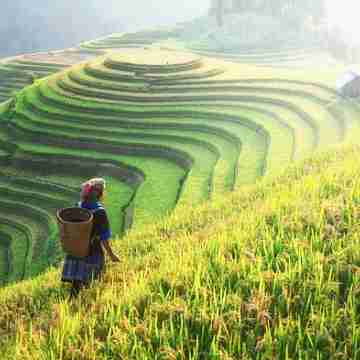
Tea thrives best in regions with specific climatic and geographical conditions that support its growth and flavor development. Here are some factors that contribute to the ideal tea-growing regions:
1. **Climate**: Tea plants prefer moderate temperatures with abundant rainfall and humidity. They thrive in regions with well-defined seasons, where they experience periods of dormancy during the winter and active growth during the spring and summer. Tea plants are sensitive to frost and extreme heat, so regions with mild, temperate climates are most suitable.
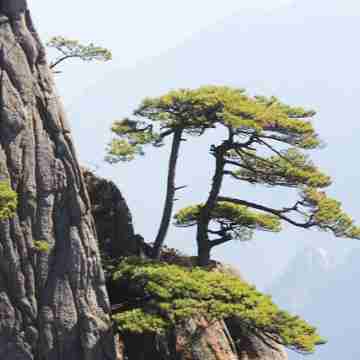
2. **Altitude**: Tea plants grow best at higher altitudes, typically between 1,000 and 2,000 meters above sea level. Higher altitudes provide cooler temperatures, reduced humidity, and ample sunlight, which contribute to slower growth and the development of complex flavors in the tea leaves.
3. **Soil**: Tea plants require well-drained, acidic soils rich in organic matter. Sandy or loamy soils with good aeration and drainage are ideal for tea cultivation. The soil composition and mineral content play a crucial role in the flavor, aroma, and quality of the tea leaves.
4. **Rainfall**: Adequate rainfall is essential for tea cultivation, as tea plants require consistent moisture throughout the growing season. Regions with annual rainfall ranging from 1,000 to 2,000 millimeters are ideal for tea production. However, excessive rainfall or waterlogged conditions can adversely affect tea quality and yield.
5. **Sunlight**: Tea plants require ample sunlight to thrive and undergo photosynthesis. However, they also benefit from partial shade, especially during the hottest part of the day. Shade-grown teas, such as matcha and gyokuro, are cultivated under canopy cover to protect the leaves from direct sunlight and enhance their flavor and aroma.
Based on these factors, some of the world’s best tea-growing regions include:
– **China**: Famous tea-producing regions in China include Fujian, Zhejiang, Anhui, Yunnan, and Taiwan. Each region has its own unique terroir, cultivars, and processing techniques, resulting in a diverse range of teas with distinct flavors and aromas.
– **India**: India is known for tea-growing regions such as Assam, Darjeeling, and Nilgiri. Assam teas are robust and full-bodied, while Darjeeling teas are prized for their delicate flavor and muscatel aroma. Nilgiri teas are known for their briskness and bright, brisk flavors.
– **Japan**: Japan is renowned for green teas such as sencha, matcha, and gyokuro. Tea is cultivated in regions such as Shizuoka, Uji, Kagoshima, and Kyushu, where the climate, altitude, and soil conditions are conducive to tea production.
– **Sri Lanka**: Formerly known as Ceylon, Sri Lanka produces a wide range of teas, including black, green, and white teas. The central highlands of Sri Lanka, particularly regions such as Nuwara Eliya, Dimbula, and Uva, are known for their high-quality teas with brisk flavor and bright liquor.
Overall, the best tea-growing regions combine favorable climatic conditions, altitude, soil composition, and cultural practices to produce teas of exceptional quality, flavor, and aroma.

June
(1
posts )February
(6
posts )July
(1
posts )February
(1
posts )November
(1
posts )March
(4
posts )February
(1
posts )September
(1
posts )
Author Rank: 10
Author's Name: 婷芝 Cathy
User ID: 888888
Number of posts published by user: 163

Tea has a rich and storied history in ancient China, dating back thousands of years. While the exact origins of tea consumption are shrouded in legend and myth,
» » » »

No, herbal teas, such as camomile or peppermint do not contain any camellia sinensis (the tea plant), so they should really be called infusions.
Tea comes from one plant, camellia sinensis, but is grown in many different countries, at different altitudes, in different soil types and different weather conditions. These natural factors
» » » »
We are members of the Ethical Tea Partnership which works to monitor the conditions of tea production around the world to ensure that they comply with relevant employment
» » » »
Tea contains only small amounts of caffeine and you’d need to consume over 6 cups a day to reach a ‘moderate’ caffeine intake.
Most of us know that tea comes from China, Sri Lanka (Ceylon) and India but less well known are countries like Kenya, Malawi, Argentina, Indonesia and Turkey. The
» » » »
We all make tea the way we like it but there are a few fundamentals that help to get the best out of your cuppa – always use
» » » »
All our teas contain only natural, organic ingredients. The teas that are listed as “Organic” are officially certified Organic according to Canadian health standards. For the teas that
» » » »
Yes! Our store has a tea bar and cozy seating areas. We also make iced teas, bubble tea, lattes, matcha lattes and brewed coffee. We’re also able to
» » » »
Yes! At checkout, enter the promo code: LOCAL . This will deduct your shipping cost and let us know that you’ll be coming into the store to pick
» » » »




























| 1 | Generic singular.php will be used for single post which does not have specified format for that category or post type. |
|---|---|
| 2 | If you are logged in, the post comment will only ask for post rating, comment title and message. If you are not logged in and is a visitor, the post comment will ask for more questions of your name, email, phone, country. |
| 3 | Notes:
|
| 5 | Total number of the comment will include the counting of sub-comment (second-level comment replying to top-level comment). |
| 6 | Each page will break every 3 top-level comments into pages, click Older Comments or Newer Comments to view more comments. |
| 7 | Click the close icon on the right-top corner of this section to close this instruction. |