• Ancient China
    Black Skirt 60

    Ancient China

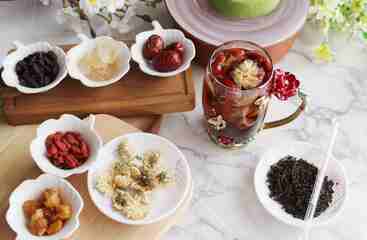
    Tea has a rich and storied history in ancient China, dating back thousands of years. While the exact origins of tea consumption are shrouded in legend and myth, historical records provide insights into its early cultivation, preparation, and consumption. Here are some key aspects of tea from ancient China:

    1. Origins: According to Chinese legend, the discovery of tea dates back to around 2737 BCE during the reign of Emperor Shen Nong. The story goes that while boiling water in the garden, some tea leaves fell into the pot, resulting in a fragrant and refreshing infusion. Intrigued by the aroma and taste, the emperor sampled the brew and found it to be delightful and invigorating, thus heralding the beginning of tea consumption in China.
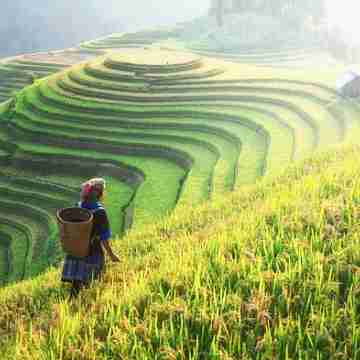
    2. Cultivation: Tea cultivation began in ancient China, initially as a medicinal herb before evolving into a beverage enjoyed for its flavor and stimulating effects. Early tea plants were likely wild varieties native to China’s southwestern regions, particularly Yunnan and Sichuan provinces. Over time, cultivation techniques were refined, and specific tea varieties were developed.
    3. Preparation: In ancient China, tea was prepared and consumed in various forms, including as a boiled decoction, powdered tea, and eventually as loose leaf tea. During the Han Dynasty (206 BCE–220 CE), tea leaves were steamed, pressed into cakes, and ground into a fine powder before being whisked with hot water to produce a frothy beverage known as “whisked tea” or “whisked tea soup” (撲茶 or 茶湯).
    4. Cultural Significance: Tea played a significant role in ancient Chinese culture, society, and philosophy. It was valued for its medicinal properties, refreshing taste, and ability to promote mental alertness and concentration. Tea drinking became associated with scholarly pursuits, meditation, and social gatherings, with tea ceremonies evolving as a form of artistic expression and cultural refinement.
    5. Trade and Exchange: Tea trade and exchange flourished during ancient times, particularly along the legendary Tea Horse Road (茶马古道) that connected China’s southwest with Tibet, Central Asia, and beyond. Tea was traded for horses, salt, silk, and other valuable commodities, contributing to cultural exchange, economic growth, and diplomatic relations.
    6. Literary References: Tea is frequently mentioned in ancient Chinese literature, poetry, and philosophy. Renowned poets such as Lu Yu (733–804 CE), author of the “Classic of Tea” (茶经), and Su Dongpo (1037–1101 CE) celebrated the virtues of tea and its role in fostering harmony, tranquility, and spiritual enlightenment.

    Overall, tea has been an integral part of Chinese civilization for millennia, shaping cultural practices, social customs, and culinary traditions. Its enduring popularity and significance continue to resonate in modern China and beyond, reflecting its timeless appeal and universal appeal as a symbol of hospitality, refinement, and well-being.

    Notes: Comment is closed for Custom Post Type of FAQ

    Preview All Blogs

  • June

      ( 

    1

     posts )
  • February

      ( 

    6

     posts )
  • July

      ( 

    1

     posts )
  • February

      ( 

    1

     posts )
  • November

      ( 

    1

     posts )
  • March

      ( 

    4

     posts )
  • February

      ( 

    1

     posts )
  • September

      ( 

    1

     posts )
  • Or Select the month of Blog


    Black Skirt 60

    Author Rank: 10
    Author's Name: 婷芝 Cathy
    User ID: 888888
    Number of posts published by user: 163

    onlineimageresize com groupofpeoplesittingindoors3184291min
    photoshoot1928086 1920
    Temple of Heaven alt text
    onlineimageresize com srilanka1037002 640
    onlineimageresize com music cover1
    Temple of Heaven alt text
    一簾幽夢
    Heart and Soul
    Going Home
    故郷の原風景(Sojiro ‎– Furusato No Genfukei)
    Beyond The Memory
    Beautiful Barbados
    La Serment Oublie
    Blue Bayou
    最浪漫的事
    渔舟唱晚
    小城故事
    青花瓷
    Le Papillon
    With an Orchid
    La Spagnola
    月光の雲海
    onlineimageresize com srilanka1037002 640
    It has borne witness to the survival and development of the Chinese nation on this land for thousand
    onlineimageresize com envostorefront2
    渔舟唱晚
    Red Shirt 8
    Red Shirt 9
    White Skirt 21
    Greet Skirt 8
    music cover (5)
    White Skirt 81
    onlineimageresize com sun5774971 640
    bride2984243 1920
    croppedgirl3640395 1920
    渔舟唱晚
    onlineimageresize com tealeaves4547923 640
    onlineimageresize com plant4524820 640
    onlineimageresize com sun5774971 640
    onlineimageresize com srilanka1037002 640
    danmaq
    onlineimageresize com tealeaves4547923 640
    onlineimageresize com estore2
    onlineimageresize com video
    onlineimageresize com chengqingling
    onlineimageresize com poseidon
    onlineimageresize com question
    barbados
    onlineimageresize com shoppingcart2
    girl1725183 1920
    onlineimageresize com groupofpeoplesittingindoors3184291min
    onlineimageresize com shenzheng
    White Skirt 98 alt text
    party
    月光の雲海
    Cheng Fu
    barbados
    sweetlotus
    onlineimageresize com tealeaves4547923 640

    Related   FAQ   Posts
    onlineimageresize com tealeaves4547923 640
    01/26/2022  |  
    Where does tea grow best?

    Tea thrives best in regions with specific climatic and geographical conditions that support its growth and flavor development. Here are some factors that contribute to the ideal tea-growing
    » » » »

    No image
    11/28/2019  |  
    Are herbal teas from the same plant?

    No, herbal teas, such as camomile or peppermint do not contain any camellia sinensis (the tea plant), so they should really be called infusions.

    No image
    11/28/2019  |  
    Tea is all the same isn't it?

    Tea comes from one plant, camellia sinensis, but is grown in many different countries, at different altitudes, in different soil types and different weather conditions. These natural factors
    » » » »

    No image
    11/28/2019  |  
    Is your tea Fairtrade?

    We are members of the Ethical Tea Partnership which works to monitor the conditions of tea production around the world to ensure that they comply with relevant employment
    » » » »

    No image
    11/28/2019  |  
    How much caffeine is ok to take in per day and how many cuppas is that?

    Tea contains only small amounts of caffeine and you’d need to consume over 6 cups a day to reach a ‘moderate’ caffeine intake.

    No image
    11/28/2019  |  
    Where does the tea we drink come from?

    Most of us know that tea comes from China, Sri Lanka (Ceylon) and India but less well known are countries like Kenya, Malawi, Argentina, Indonesia and Turkey. The
    » » » »

    No image
    11/28/2019  |  
    How do you make a proper cup of tea?

    We all make tea the way we like it but there are a few fundamentals that help to get the best out of your cuppa – always use
    » » » »

    No image
    11/26/2019  |  
    ARE YOUR TEAS ORGANIC?

    All our teas contain only natural, organic ingredients. The teas that are listed as “Organic” are officially certified Organic according to Canadian health standards. For the teas that
    » » » »

    No image
    11/26/2019  |  
    DOES YOUR STORE HAVE A SEATING AREA?

    Yes! Our store has a tea bar and cozy seating areas. We also make iced teas, bubble tea, lattes, matcha lattes and brewed coffee. We’re also able to
    » » » »

    No image
    11/26/2019  |  
    CAN I ORDER ONLINE AND PICKUP MY ORDER IN STORE?

    Yes! At checkout, enter the promo code: LOCAL . This will deduct your shipping cost and let us know that you’ll be coming into the store to pick
    » » » »
    Previous post in FAQ
    <<