
• 赤伶♫「道无情 道有情 怎思量」

    Black Skirt 60     •     Sep 14, 2022 at 7:25 pm
    White Skirt 21

    “赤伶” (Chì Líng) refers to the story of Chí Líng, a legendary figure in Chinese history and literature. Chí Líng is also known as Chí You, and he is often portrayed as a skilled warrior and military leader.

    这句歌词出自赤伶演唱的歌曲《道无情 道有情》。赤伶是近年来在中国网络平台和传统音乐领域都非常受欢迎的民谣歌手之一,她的音乐风格融合了戏曲、民间音乐和现代流行元素。

    歌词“道无情 道有情 怎思量”表达了一种对命运、人生道路的感慨,仿佛是对无法控制的命运与自己内心情感的深刻思考。这里的“道”可以理解为“道路”或者“命运”,而“无情”和“有情”则代表了命运的无常与复杂,人是否能够在这种无常中找到情感的寄托或安慰。

    整首歌透过这种对比传达出对人生道路的无奈与情感的纠结,让人产生共鸣。如果你对这首歌或赤伶的其他作品感兴趣,可以继续探寻她的其他音乐作品,她的作品常常在情感表达和传统文化的融入上别具一格。

    According to legend, Chí Líng lived during the Xia Dynasty (c. 2070–1600 BCE), a period of ancient Chinese history. He was reputed to be a descendant of the mythical Emperor Yan, who is said to be one of the Three Sovereigns and Five Emperors of ancient China. Chí Líng is often depicted as a fierce and formidable warrior who possessed supernatural powers.

    The story of Chí Líng has been retold in various Chinese literary works, including historical texts, poetry, and folk tales. He is celebrated as a symbol of courage, strength, and loyalty in Chinese culture. His legend continues to inspire writers, artists, and storytellers to this day.

    Black Skirt 60

    Related     Posts
    Red Shirt 8
    09/14/2022  |  
    荒野寒暑換紅顏

    “荒野寒暑換紅顏” is a Chinese phrase that can be translated to “In the wilderness, seasons change, but beauty remains.” This phrase reflects the idea that amidst the changing seasons
    » » » »

    music cover (3)
    09/14/2022  |  
    爱殇 (东宫 插曲) | 古筝 Guzheng

    “爱殇” (ài shāng) is a Chinese term that can be translated as “love sorrow” or “tragic love.” It encapsulates the theme of love that is filled with sorrow
    » » » »

    Red Shirt 9
    09/14/2022  |  
    懷古遺殤

    “懷古遺殤” (huái gǔ yí shāng) is a Chinese phrase that can be translated as “cherishing the past, mourning the lost.” This phrase expresses a sentiment of nostalgia and
    » » » »

    Red Shirt 13
    09/14/2022  |  
    「 Ancient Chinese Style Music 」江上清风游

    “江上清风游” (jiāng shàng qīng fēng yóu) is a Chinese phrase that can be translated as “traveling on the clear breeze by the river.” This expression evokes imagery of
    » » » »

    White Skirt 21
    09/14/2022  |  
    背景音乐 墨雨

    “墨雨” (mò yǔ) is a Chinese term that translates to “ink rain” or “rain like ink.” This phrase is often used poetically to describe heavy rain that falls
    » » » »

    White Skirt 98 alt text
    09/14/2022  |  
    木兰柴 【BGM 李子柒】| Beautiful music

    “木兰柴” (mù lán chái) refers to firewood made from the wood of the Chinese magnolia tree, also known as the Yulan magnolia (Magnolia denudata). This type of wood
    » » » »
    09/14/2022  |  
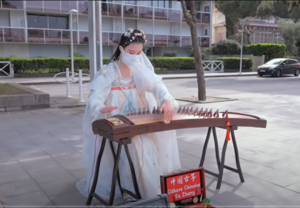
    背景音乐 Light music 海棠未眠

    “海棠未眠” (hǎi táng wèi mián) is a poetic phrase in Chinese that can be translated as “the crabapple has not slept.” This phrase is often used metaphorically to
    » » » »

    Greet Skirt 8
    09/14/2022  |  
    【河伯】琵琶行

    “琵琶行” (pí pá xíng) is the title of a famous Chinese poem written by Bai Juyi during the Tang Dynasty. The title can be translated to “Song of
    » » » »

    music cover (5)
    09/14/2022  |  
    蘇幕遮

    “Sù Mù Zhē” (蘇幕遮) is a Chinese poem written by the Tang Dynasty poet Su Shi, also known as Su Dongpo. It is one of his most famous
    » » » »

    White Skirt 81
    09/14/2022  |  
    清明上河圖

    “清明上河圖” (Qīng Míng Shàng Hé Tú) translates to “Along the River During the Qingming Festival” in English. It is one of the most famous traditional Chinese paintings, created
    » » » »

    Categories: Music
    Previous post in all categories:
    <<
    Next post in all categories:
    >>

    Comment

    We are glad you have chosen to leave a comment. Please keep in mind that comments are moderated according to our comment policy .
    Posting comment on "赤伶♫「道无情 道有情 怎思量」"
    1 2 3 4 5
    Thank you for your comment.

    There is no comment for this post currently,
    be the first one to write a comment.