

 婷芝 Cathy
•
Sep 14, 2022
at
7:23 pm
婷芝 Cathy
•
Sep 14, 2022
at
7:23 pm

“清明上河圖” (Qīng Míng Shàng Hé Tú) translates to “Along the River During the Qingming Festival” in English. It is one of the most famous traditional Chinese paintings, created by the Song Dynasty artist Zhang Zeduan in the 12th century.
This masterpiece is a panoramic painting that depicts the daily life and bustling scenes of Bianjing (modern-day Kaifeng), the capital of the Northern Song Dynasty, during the Qingming Festival, a traditional Chinese holiday. The Qingming Festival usually falls in early April and is a time for people to pay respects to their ancestors by visiting their gravesites.
The painting captures a wide range of activities, including people crossing the bridge, shopping at markets, participating in religious rituals, and engaging in various forms of entertainment. It offers a detailed glimpse into the social, economic, and cultural life of the period, as well as the architectural landscape of Bianjing.
“Along the River During the Qingming Festival” is not only admired for its artistic skill and attention to detail but also valued as a historical record of life in ancient China. It is considered a national treasure and is housed in the Palace Museum (Forbidden City) in Beijing.


“爱殇” (ài shāng) is a Chinese term that can be translated as “love sorrow” or “tragic love.” It encapsulates the theme of love that is filled with sorrow
» » » »

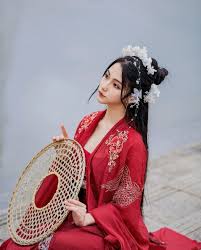
“江上清风游” (jiāng shàng qīng fēng yóu) is a Chinese phrase that can be translated as “traveling on the clear breeze by the river.” This expression evokes imagery of
» » » »


“木兰柴” (mù lán chái) refers to firewood made from the wood of the Chinese magnolia tree, also known as the Yulan magnolia (Magnolia denudata). This type of wood
» » » »
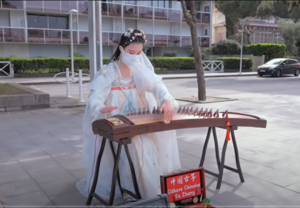
“海棠未眠” (hǎi táng wèi mián) is a poetic phrase in Chinese that can be translated as “the crabapple has not slept.” This phrase is often used metaphorically to
» » » »


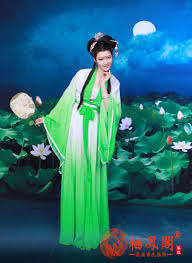
“赤伶” (Chì Líng) refers to the story of Chí Líng, a legendary figure in Chinese history and literature. Chí Líng is also known as Chí You, and he
» » » »

Comment
Comment Message Box Error
Please do not use newline break key!
be the first one to write a comment.